
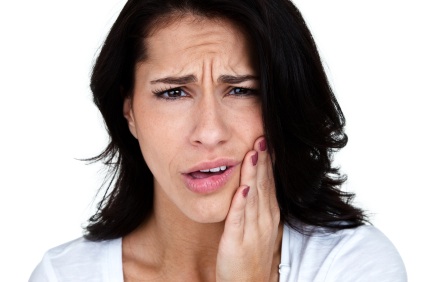
 What causes TMJ pain, and can treating it early help you avoid costly dental repairs and protect your smile long term?
That little click in your jaw might seem harmless. For many people, though, it’s the first sign of a problem that can end with cracked teeth, a full schedule of dental repairs, and a much bigger bill than they ever expected. David Rice DDS diagnoses and treats temporomandibular joint disorder (TMD) for patients in Elgin, Bartlett, and St. Charles, helping them address jaw pain before it takes a toll on their teeth and wallets. Catching TMJ problems early can protect both your comfort and your smile, and it may help you avoid the cost of restorative dentistry down the road.
What Does Your Jaw Joint Do All Day?
The temporomandibular joint connects your lower jaw to the temporal bone of your skull. It supports chewing, biting, talking, yawning, and every movement your jaw makes between sunrise and sunset. When the joint isn’t working properly, jaw elasticity becomes limited, and even simple activities like eating a sandwich can turn painful.
Why Do So Many People Miss the Signs of TMD?
Many people live with TMD without realizing it because the symptoms mimic other problems. Common signs include pain in or around the ear, a sore jaw joint, tender muscles, and popping or clicking when opening and closing the mouth. More severe cases can bring headaches, migraines, and neck aches, which are often misdiagnosed as unrelated conditions. Early diagnosis matters because it allows treatment to begin before symptoms worsen.
What Causes TMJ Disorder?
TMD was once blamed mainly on stress, but newer evidence points to a wider range of causes. Genetic factors, muscle strain, natural misalignment of the jaw joint, and a bad bite can all play a role. Damage to tissues in the face, head, or neck can also lead to TMD. Pain may be constant or intermittent, temporary or permanent, depending on the underlying cause.
How Does a Bad Bite Damage Your Teeth?
A bad bite puts constant, uneven pressure on your teeth and jaw. Over time, that pressure can lead to broken, worn, or loose teeth. This is where TMJ trouble connects directly to restorative dentistry: damage from an uneven bite often means repeated repairs and, in some cases, tooth replacement.
How Do Small Jaw Problems Turn Into Big Dental Bills?
The progression usually looks like this: jaw strain leads to a worn or cracked tooth, which leads to repairs, and eventually replacement if the damage continues unchecked. Beyond the financial cost, there’s a time cost too. More hours in the dentist’s chair are spent fixing damage that could have been prevented. Treating the underlying cause is almost always simpler than repeatedly treating its effects.
Could Your Headaches Actually Be a Jaw Problem?
Many people chase headache relief without realizing their jaw may be the real source. Dr. Rice is trained in diagnosing and treating TMJ disorders, including craniofacial pain, so relief may be closer than you think.
Can an NTI Device or Night Guard Really Help?
An NTI device or night guard can ease TMJ-related headaches and migraines by reducing pressure during sleep. These same tools help protect your teeth from the strain caused by a bad bite, making them an easy, effective solution for a debilitating problem and a smart investment compared to major restorative work.
Get Relief Before the Repairs Pile Up
TMD can start quietly, but its effects on your teeth and your budget can add up fast. If you live or work in Elgin, Bartlett, or St. Charles and are dealing with jaw pain, migraines, or neck pain, contact David Rice DDS to schedule an evaluation. Early treatment can help protect your comfort, your teeth, and your wallet.
CONTACT DAVID A. RICE, DDS:
847-741-2353
LOCATION (TAP TO OPEN IN GOOGLE MAPS):
1972 LARKIN AVE #1
ELGIN, IL
60123